

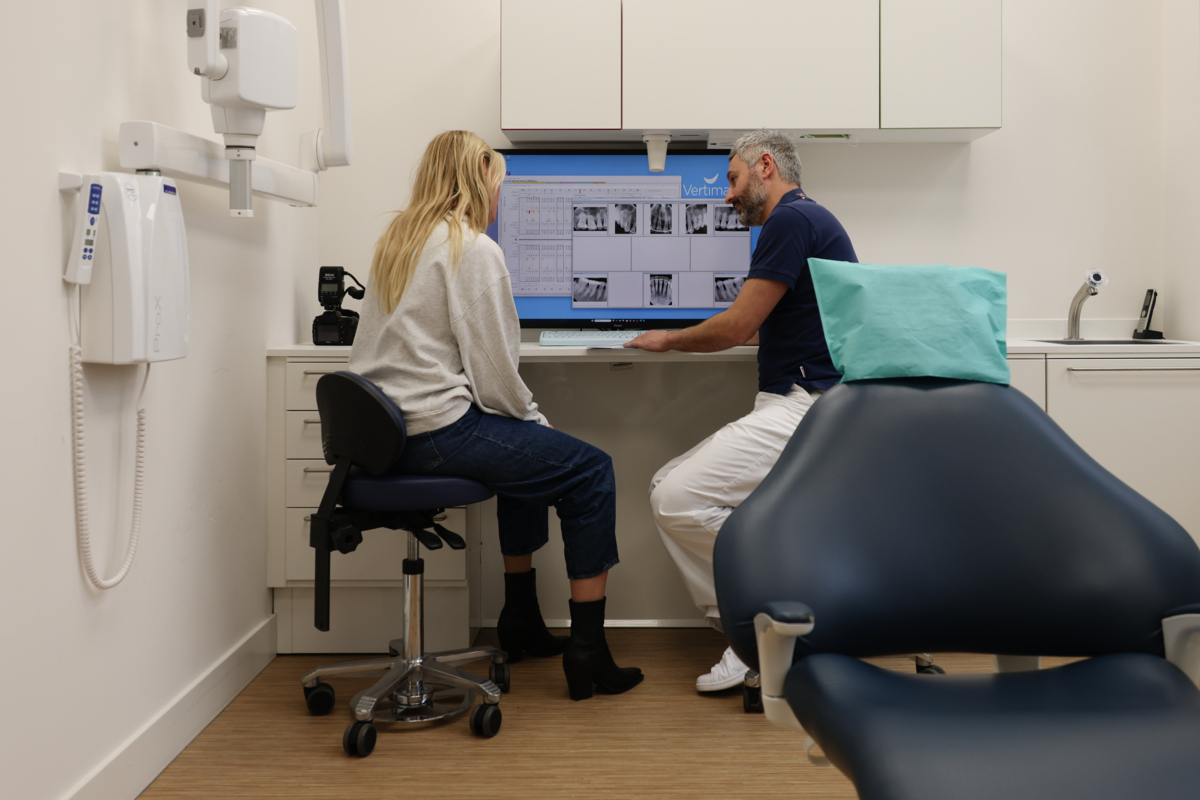
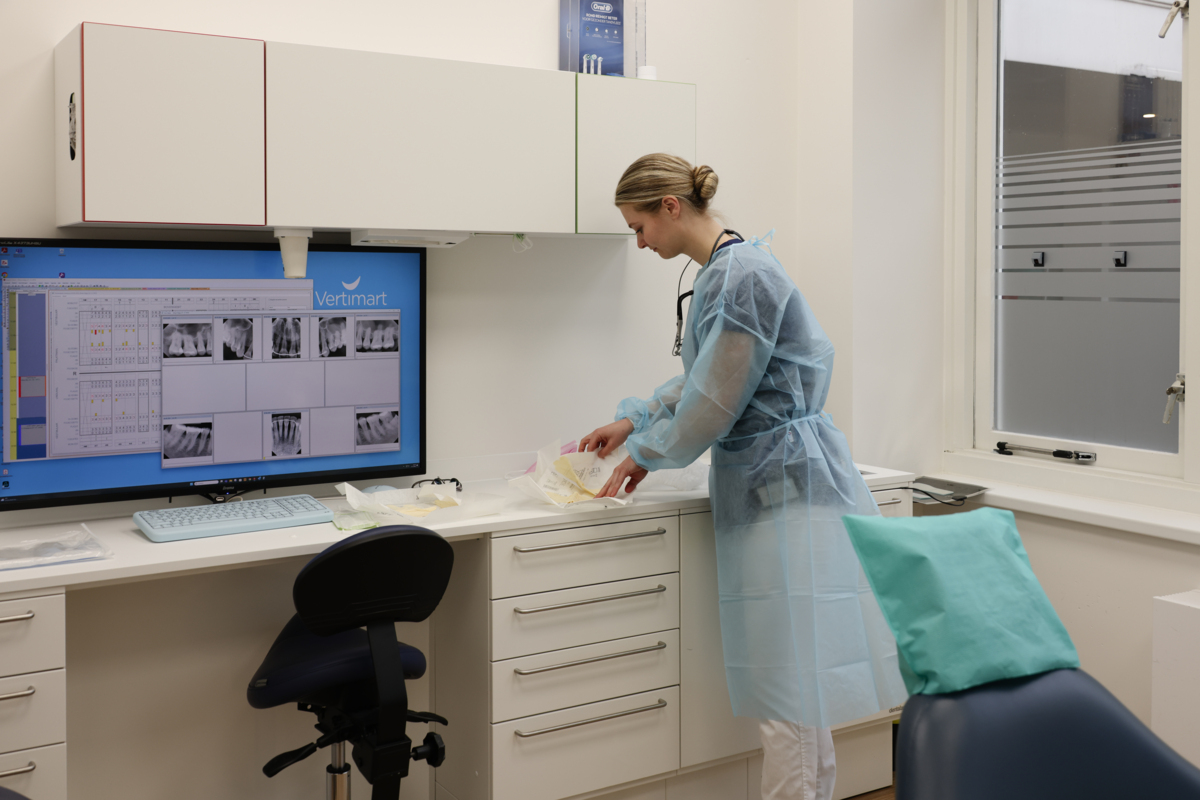
At an intake consultation for periodontitis, a thorough assessment of your oral health is carried out. Periodontitis is a serious inflammation of the gums that can lead to the loss of teeth if it is not treated properly.
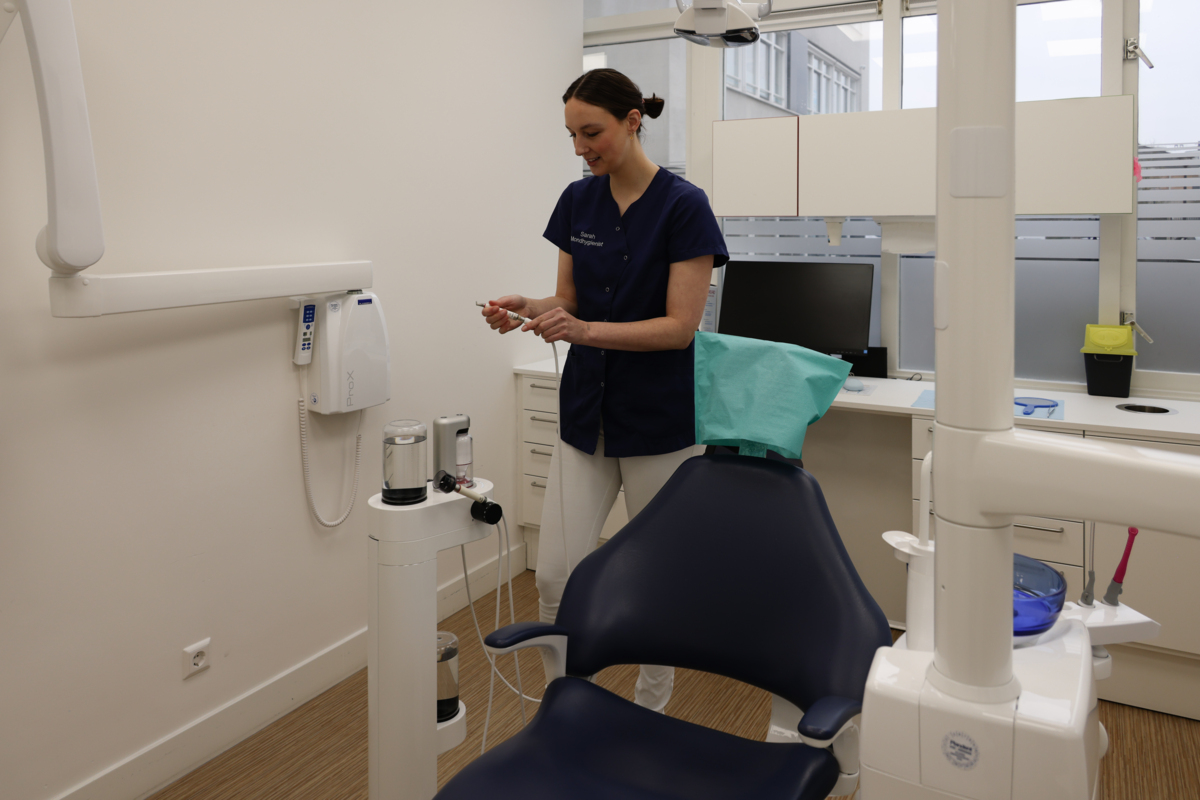
Periodontal therapy can consist of non-surgical and surgical treatment. Both treatments are aimed at healing the supporting structures of the teeth and creating a stable situation.
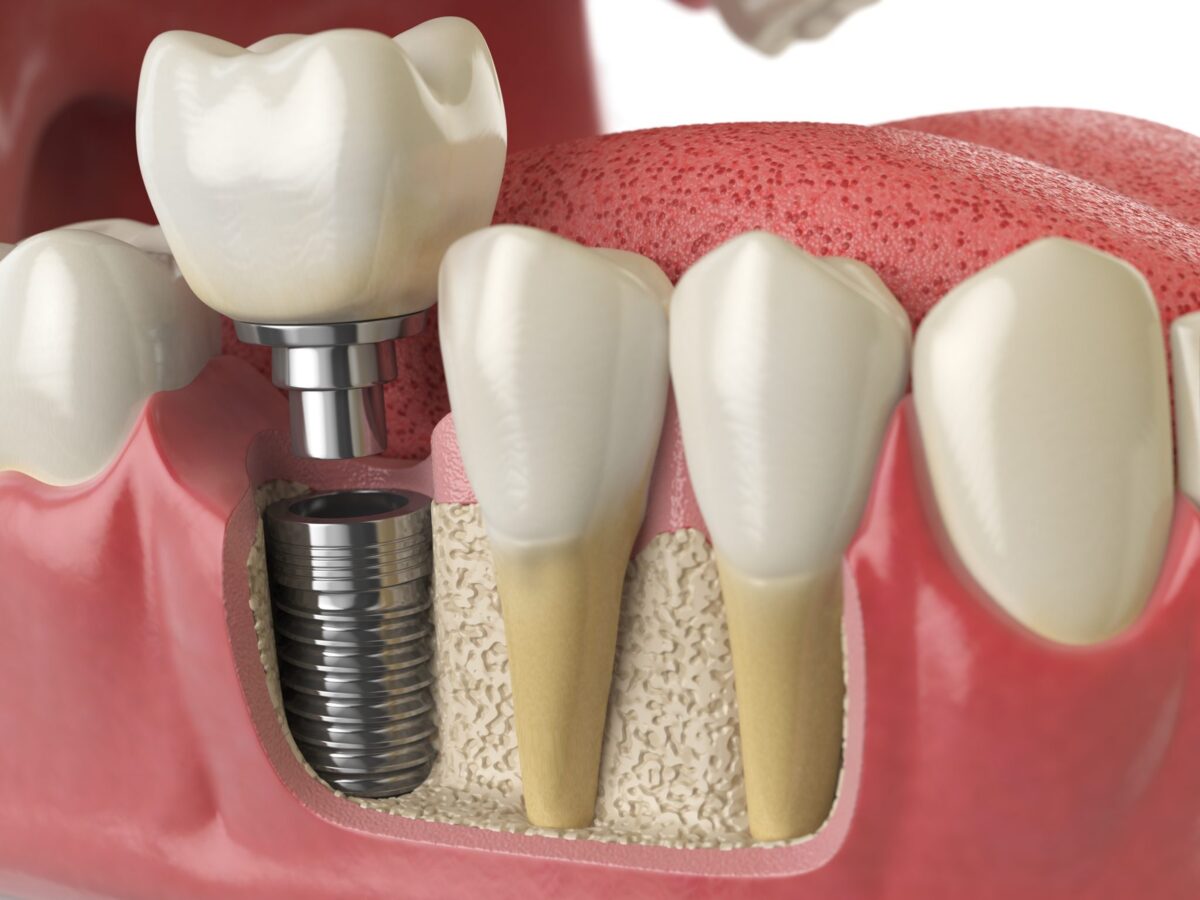
A dental implant is an artificial tooth root that is placed in the jaw so that a new replacement tooth or bridge can be made. A dental implant is an excellent choice for patients in good oral health who have lost one or more teeth.
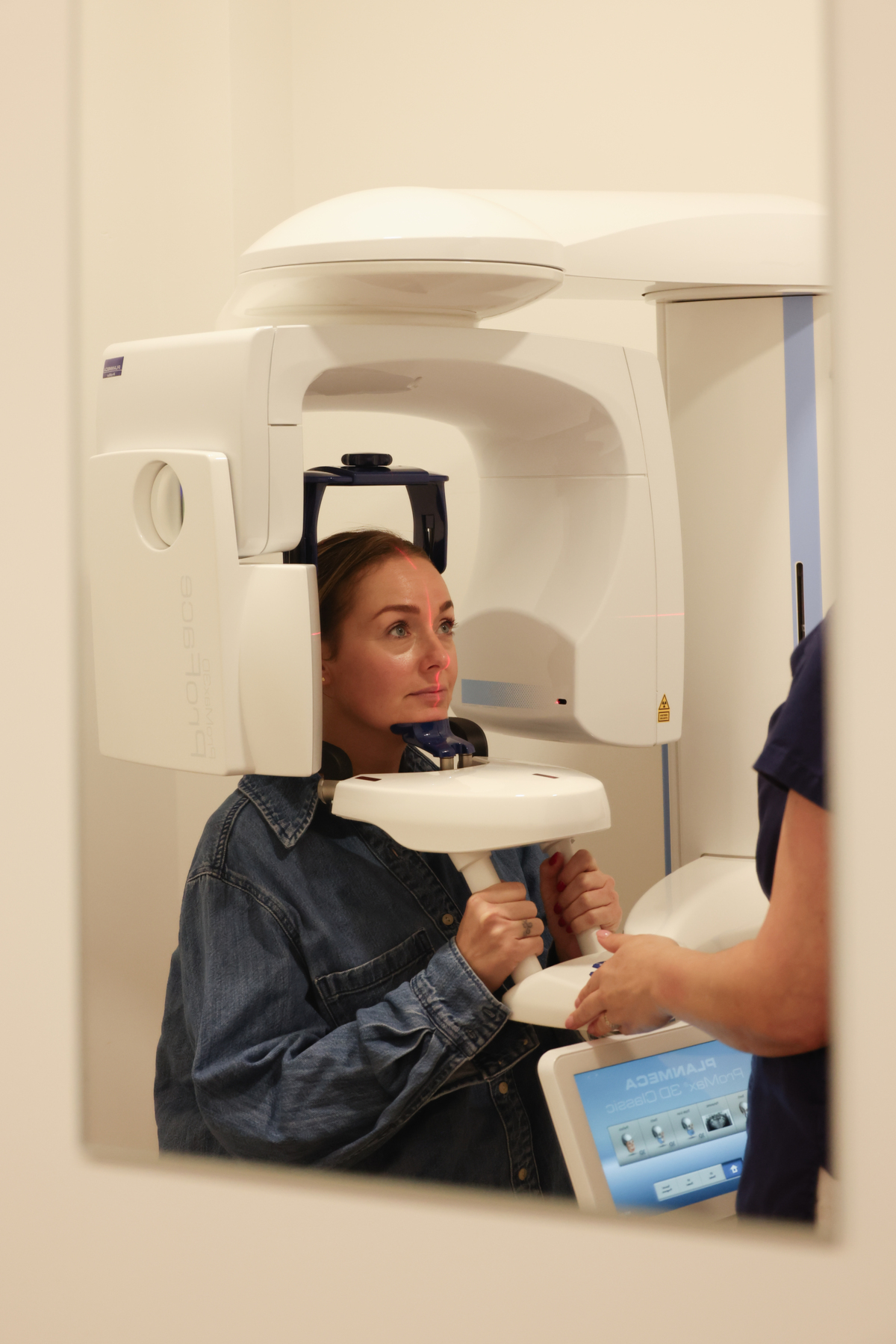
CBCT stands for Cone Beam Computed Tomography. It is a medical imaging technique used mainly in dentistry and oral and maxillofacial surgery. Unlike traditional CT scans, which use a circular radiation source, CBCT uses a cone-shaped beam of X-rays. This allows the equipment to create a 3D image of the teeth, jaws and surrounding structures.
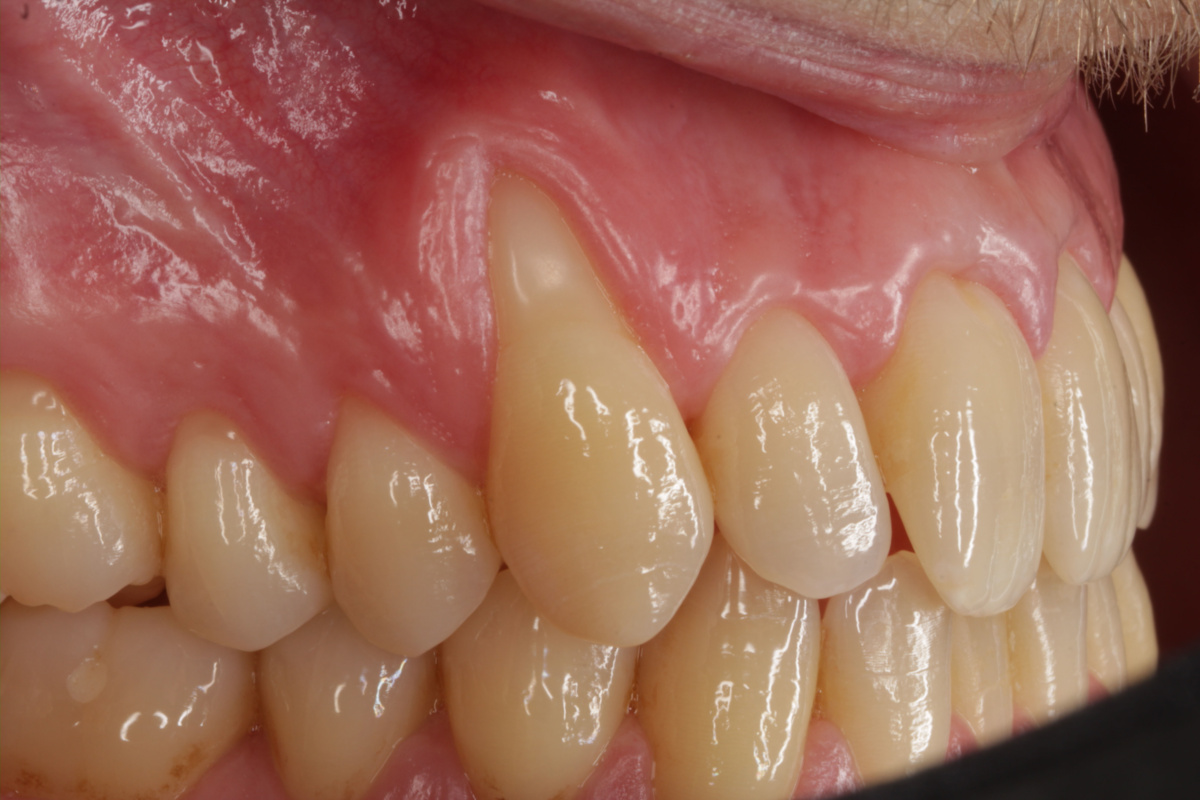
In dentistry, "recession" usually refers to gum recession, a condition in which the gums pull back from the teeth, exposing the tooth roots. This can lead to various problems, such as tooth sensitivity, aesthetic concerns and an increased risk of tooth decay and gum inflammation.
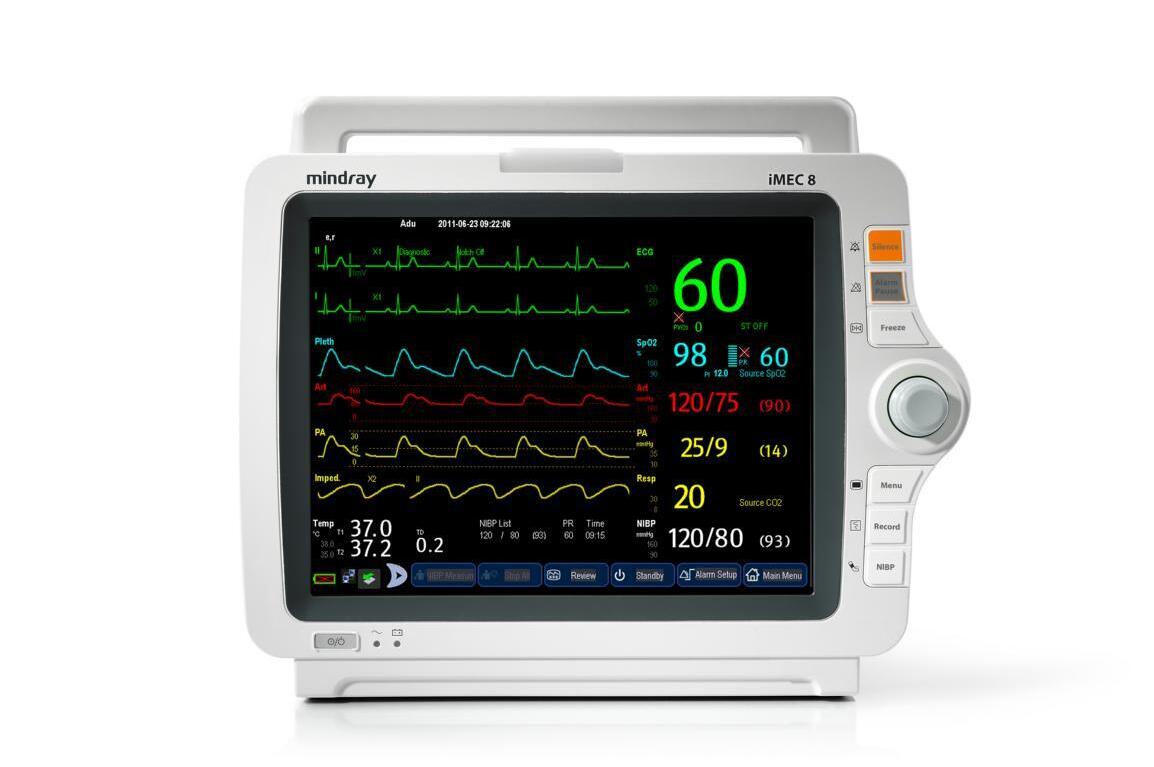
Local anaesthesia is used during most dental and surgical treatments, but many treatments can be made more comfortable with additional support.