Lifestyle Experience


Tijl van den Berg was interviewed for the RTL 4 programme Lifestyle Experience about the psychological treatment of fear of the dentist. Tijl is a periodontist and treats anxious patients with gum problems, periodontitis and dental implants under intravenous sedation. This is a form of very light anaesthesia, so that the patient is unaware of the treatment. Patients are very satisfied with this approach. Tijl provides this treatment at several practices in the Netherlands: PreCare Mondzorg in The Hague, Parodontologie Haarlem, Praktijk voor Parodontolgie en Implantologie Arnhem and the Centrum voor Bijzondere Tandheelkunde at the Kennemer Gasthuis in Haarlem. Tijl also holds a research position at the Department of Anaesthesiology of the AMC. That said, Tijl's preference is for psychological support for patients with severe fear of the dentist.


Intravenous sedation by the dentist, a serious alternative - Tijl van den Berg

Intravenous sedation by the dentist, a serious alternative to treatment under general anaesthesia. This PED/TED talk was recorded as part of the 80th anniversary of the NVvP.

The usual approach in the Netherlands to dealing with anxiety and psychological trauma is a behavioural approach, alongside treatment under sedation with nitrous oxide (laughing gas) and/or general anaesthesia. A new development in the Netherlands is intravenous sedation, which gives more control over the duration and depth of sedation. As a result, extensive periodontal and implant treatments are within reach – even for the most anxious adults – without the need for general anaesthesia. Treated cases are used to illustrate how the indication is determined.

The PED/TED talks were recorded as part of the 80th anniversary of the NVvP. The Nederlandse Vereniging voor Parodontologie (NVvP, the Dutch Society of Periodontology) is a scientific professional organisation for dental care providers such as dentists, dental hygienists, periodontists and implantologists.


Kiez Comfort: the approach, and the thinking behind it.


This film is about dentist Tijl van den Berg. Tijl, the face behind 'Kiez Comfort', is a periodontist and implantologist. For the often complex treatments, Tijl uses a special method of anaesthesia. See for yourself! Commissioned by Edith van Beek / In Vorm. Direction, interview, camera and editing: Suzanne Sandberg and Siebe Meijer / Sterk Verhaal


Worldwide, one in five pregnancies has an adverse outcome. Think of premature birth, low birth weight, pre-eclampsia and foetal loss. Miscarriage and stillbirth therefore represent a major clinical, psychological and public health problem. The causes are complex and multifactorial, but one factor has received increasing scientific attention in recent years: the oral health of the mother. What if dental professionals could make a difference here? Yalda Ahmadzai and Nina Nijland

In the December 2014 edition, T.H. van den Berg and B. Preckel published an article entitled ‘Light intravenous sedation with midazolam by the dentist’. Broers et al responded with the view that intravenous sedation with midazolam in the hands of a dentist is unsafe for the patient. In this publication, the authors Van den Berg and Preckel address the points of criticism.

Periodontist Nina Nijland specialises in the treatment of gum and dental implant problems and has a particular interest in the link between oral health and general health. An article recently appeared in the professional journal Diabetes Pro in which she highlights the relationship between periodontitis and diabetes. In the article, she explains how inflammation in the mouth can affect blood sugar regulation. Her contribution underlines the importance of collaboration between oral care and general practice in patients with diabetes.

Alongside conservative approaches such as cognitive behavioural therapy and general anaesthesia, the use of light intravenous sedation by the dentist is an interesting treatment technique that can add real value in the treatment of anxious patients in the dental practice. Tijl van den Berg, who uses light intravenous sedation, is hugely enthusiastic about the innovative developments in this technique. It would be good if more dentists were open to it, according to Benedikt Preckel, professor of anaesthesiology.

Around 800,000 people in the Netherlands do not go to the dentist because of fear. The psychological, behavioural-therapy approach to treating dental anxiety is taught extensively at the various university dental schools in the Netherlands and applied in practice. For pharmacological treatment, dentists in the Netherlands use nitrous oxide sedation, oral administration of benzodiazepines and general anaesthesia.

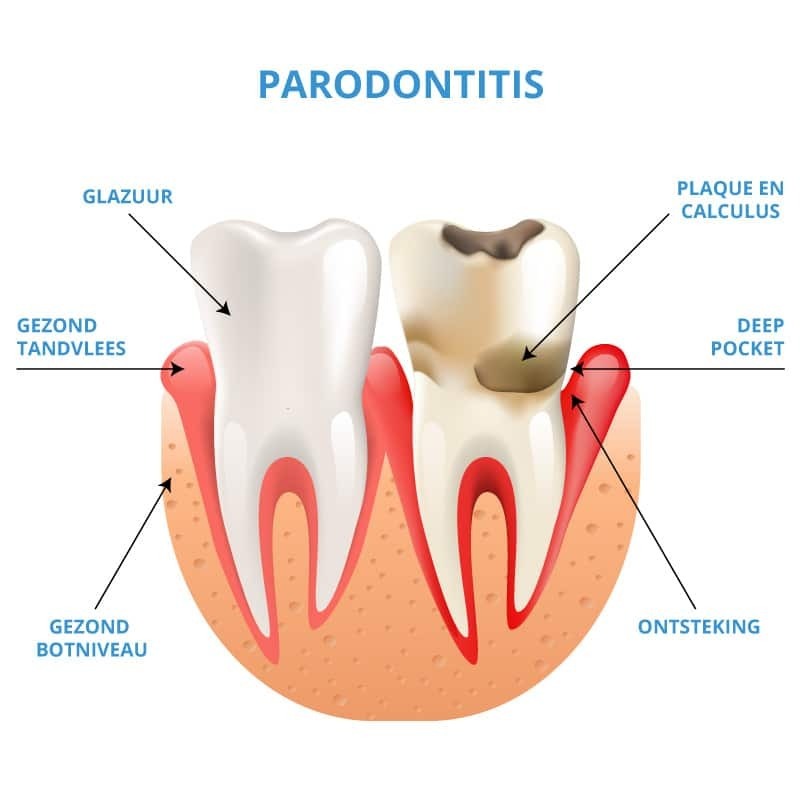
Acute periodontal conditions develop rapidly and can severely damage the periodontium and the surrounding structures. They are often accompanied by pain, tissue breakdown and infection, which makes timely intervention essential. One of the most severe forms is an acute necrotising periodontal disease. This condition requires urgent care, as it not only causes severe symptoms but can also lead to rapid destruction of the periodontium and negatively affects the prognosis of the affected teeth. How do you recognise this condition in general practice and, more importantly, how do you manage it?

In the December 2024 edition of Dentista, periodontist Nina Nijland was interviewed at length about her vision of periodontology, her PhD research and the relationship between periodontitis and general health, such as diabetes. She speaks candidly about her passion for the profession, her approach in the treatment room and her research into collaboration between medical and dental care providers. An inspiring interview about communication, motivation and the wider impact of oral health.

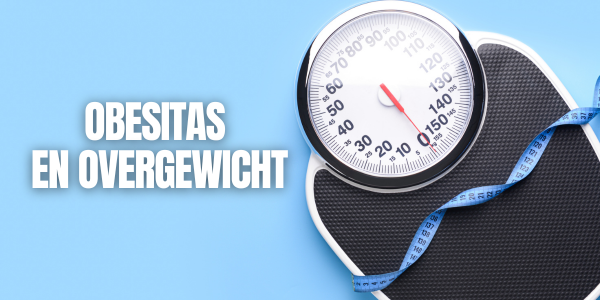
In the Netherlands, almost 16% of adults are obese. That is a problem, because obesity is a recognised risk factor for many health problems, including in the mouth. Obesity also has social and societal consequences. For dental professionals, it is important to know how obesity can be treated and what is known about the effects of those treatments in the mouth.

In this publication in Dentista, periodontist Nina Nijland explains why periodontitis cannot be seen in isolation from general health. She discusses, with supporting evidence, the relationship between periodontitis and non-communicable diseases such as diabetes and cardiovascular disease, and argues for better collaboration between medical and oral health professionals. Using a clinical case, she shows how a multidisciplinary approach leads not only to better oral health but also to improved systemic health.